Tourbillon: horological genius or luxury marketing?
Invented in 1801 to fight gravity in a waistcoat pocket, the tourbillon survives today as a 200,000€ myth. Useful or decorative?
By Jean-Baptiste Marin · · 6 min read
© Antigravity AI
On 26 June 1801 (7 Messidor Year IX in the Revolutionary calendar still in use), Abraham-Louis Breguet filed a patent in Paris for a device he called régulateur à tourbillon. Conceived during his Swiss exile at the height of the Terror, the invention was meant to solve a very concrete problem: pocket watches, worn most of the time vertically in a gentleman’s waistcoat, lost accuracy depending on their orientation relative to gravity.
The principle: caging gravity
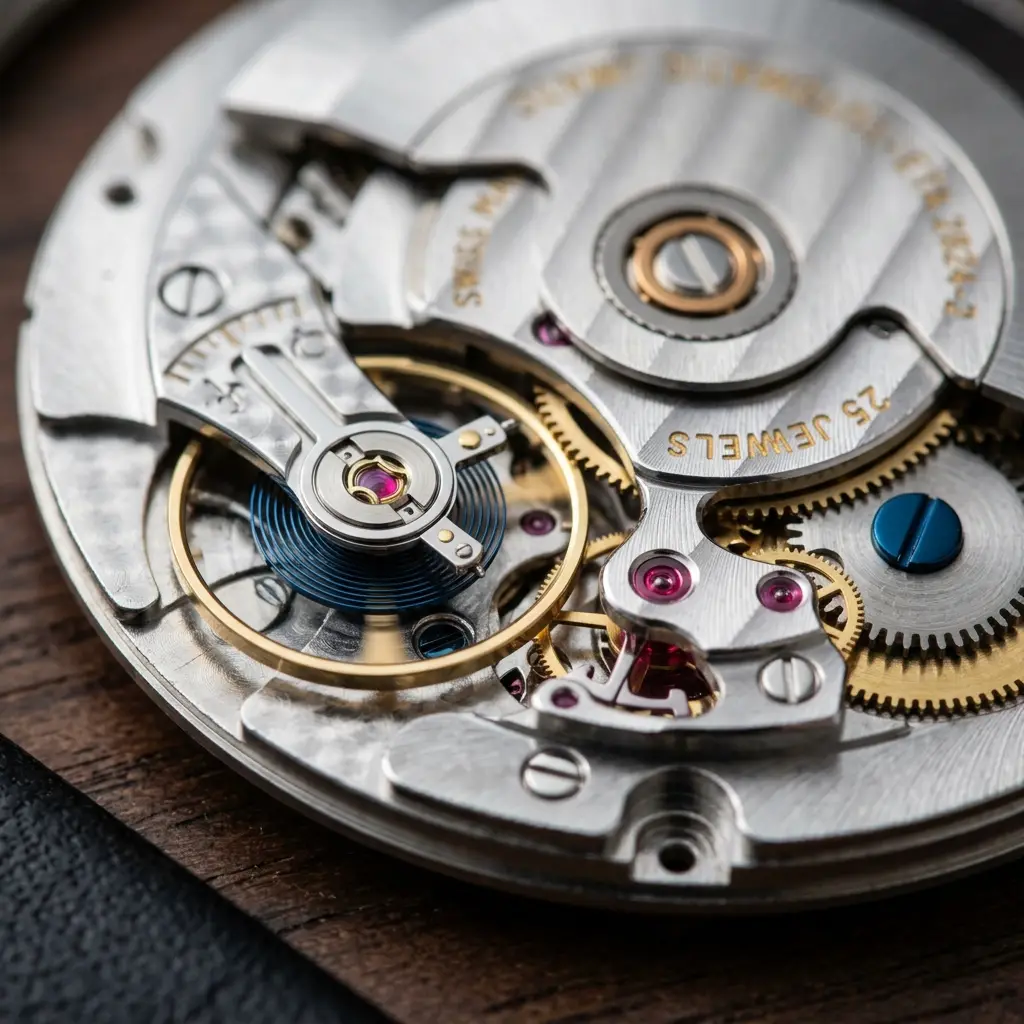
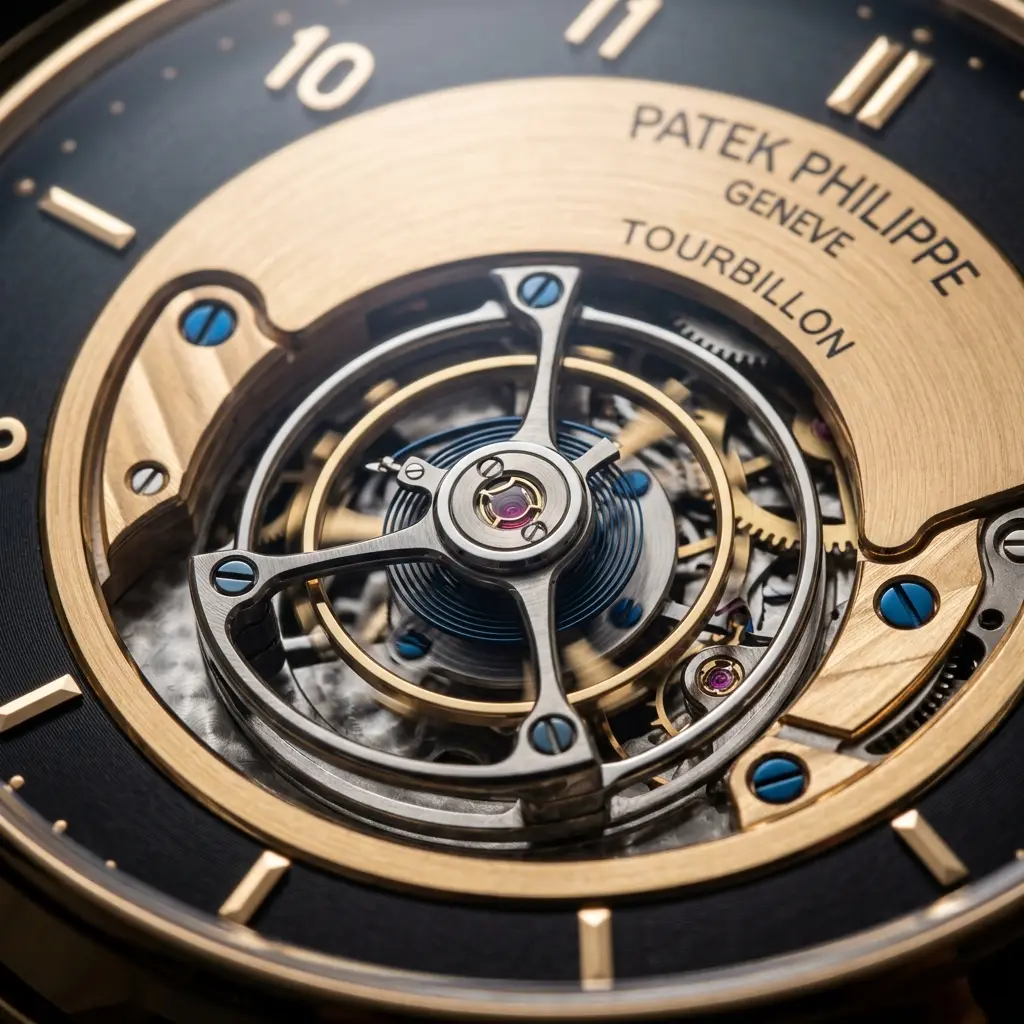
Breguet’s idea had a remarkable physical elegance. Rather than trying to compensate for position errors, why not average them out. To do this, he enclosed the balance wheel and escapement in a rotating cage completing one full turn every sixty seconds. Over the course of one rotation, the errors cancelled mechanically. Brilliant. And formidably difficult to build.
Breguet would produce only about thirty in his lifetime. The first commercial release dates to 1805, the public presentation to the Exposition des Produits de l’Industrie Nationale at Les Invalides in 1806.
A problem that no longer exists
This is where the debate begins. The tourbillon made sense in a stationary pocket watch. On a moving wrist, positions change constantly: standing, lying down, mid-writing, raising a glass. Gravity already averages itself out, statistically, without a rotating cage.
A tourbillon in a wristwatch is like an umbrella indoors.
And it must be acknowledged: the accuracy of a ten-euro quartz watch, plus or minus fifteen seconds per year, exceeds by several orders of magnitude that of any tourbillon, even a triple-axis Greubel Forsey.
Why it still exists
And yet the tourbillon has never proliferated as much as today. The reason: it has changed nature. From a technical solution, it has become a demonstration of virtuosity. Watching a cage of a few millimetres pivot in the dial remains a spectacle, and as long as the spectacle exists, manufactures will keep producing them: Breguet of course, but also Jaeger-LeCoultre with its Gyrotourbillon, or Greubel Forsey, which has made it its reason for being.
The tourbillon has outlived its own usefulness. That, perhaps, is what makes it the object most representative of contemporary haute horlogerie: a refinement that no longer needs to justify itself.
Also worth reading