Vintage, neo-vintage: where the market is going in 2026
The great vintage tide of the 2010s has receded. What it leaves behind sketches a polarised market, and one more demanding than ever about authenticity.
By Jean-Baptiste Marin · · 7 min read
© Antigravity AI
For a decade, broadly 2015 to 2022, the vintage market behaved like a wave. Everything rose, everyone found their angle, and the collector’s main question was not what to buy but when to resell. That time is behind us. What replaces it is healthier, harder, and above all more interesting.
The end of the wave, the start of the tide
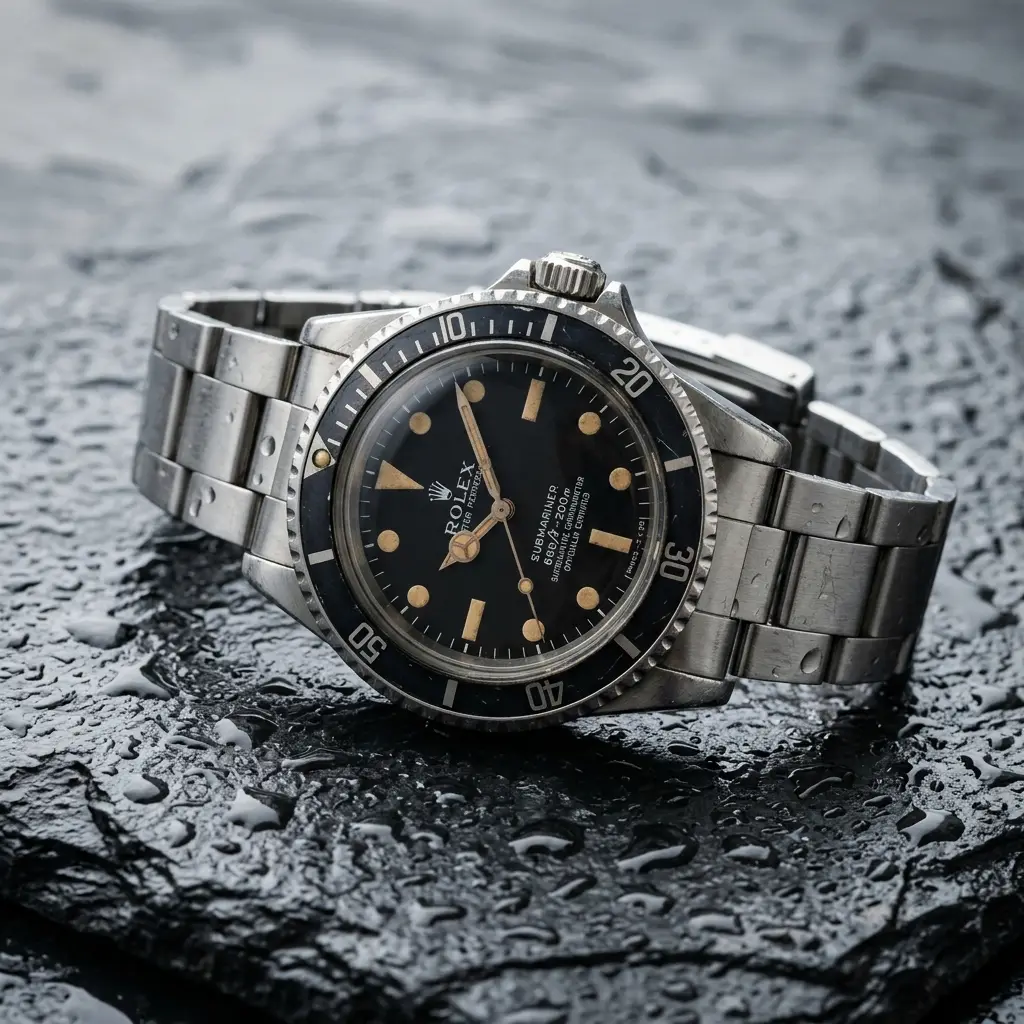
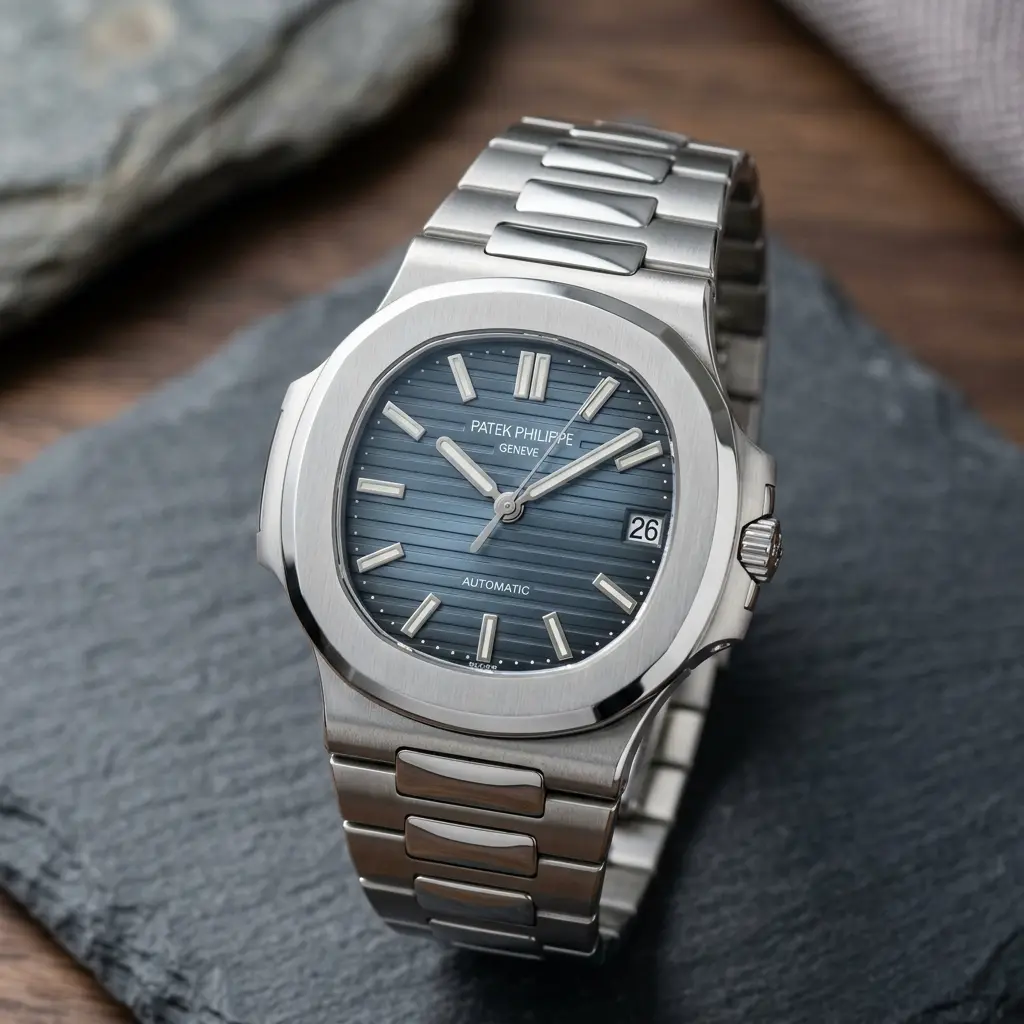
The numbers speak for themselves. The steel Daytona at sixteen thousand nine hundred dollars retail, trading above fifty thousand at the 2022 peak, now changes hands around thirty thousand on the secondary market. The 5711/1A, Patek’s last steel Nautilus, the absurd peak at two hundred and forty thousand, has come back down into the hundred-thousand zone, still far from historic retail, but the gap is closing.
This does not mean the market is collapsing. It means it is sorting itself out. According to the 2026 Matthew Bain report, “true originality has become the only real driver of premium. Twenty twenty-six will be the year of polarisation.”
Neo-vintage: the window that is closing
The neo-vintage, broadly 1988-2005, concentrates today the attention of informed collectors. The logic is simple: these are the last watches conceived before the digitalisation of collections, before the industrial standardisation of components, before the financialisation of the market.
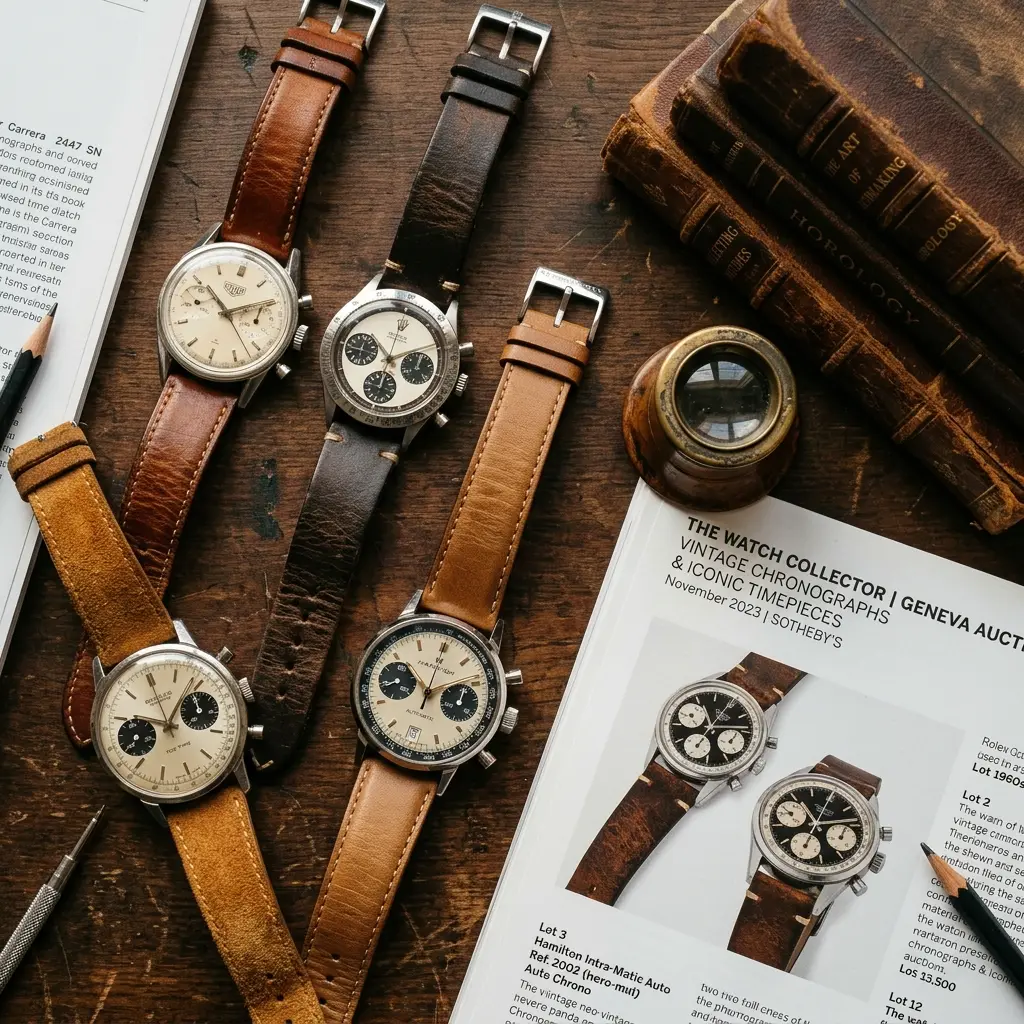
Names to watch, in no particular order: Omega Speedmaster Reduced, IWC Mark XV, Patek 5070, Daytona “Zenith” 16520, early Cartier Pasha, Heuer 2000 Series. None of these references makes headlines yet. Precisely why they deserve attention now.
Originality as the new cardinal value
The vintage market is no longer a wave that lifts everything. It’s a tide that now separates the real pieces from the copies the years have forgotten.
What stands out in Phillips, Sotheby’s and Antiquorum sales is the systematic premium on total originality. Original dial unrelacquered, hands unreplaced, lume never refreshed. These criteria, once merely a plus, are now the necessary condition for a piece to reach the top of its estimate.
Conversely, service replacement pieces (original case but components swapped by Rolex or Omega during servicing) are seeing their value disconnect downward.
And the new generation
An interesting data point: according to Chrono24, 41% of new buyers on the platform in 2026 are under thirty. The first time such a proportion has been observed. This generation arrives with a different relationship to vintage: less fetishism of the name, more interest in technical history. That could, in time, shift the premium toward other references.
Also worth reading