Seiko 1969: the Japanese watch that saved Swiss horology
On 25 December 1969, Seiko unveiled a watch one hundred times more accurate than anything in existence. Switzerland took fifteen years to realise it had just been saved.
By Hélène Cardon · · 6 min read
© Antigravity AI
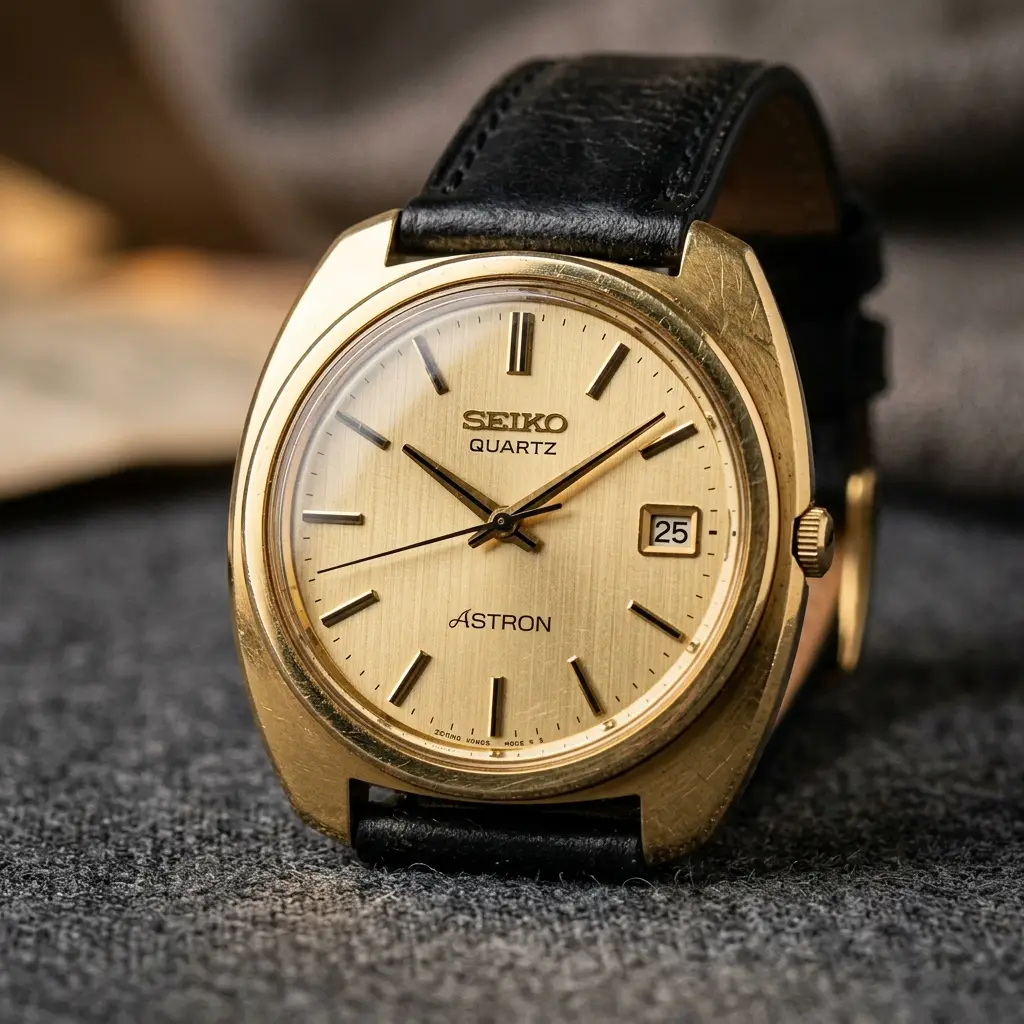
On 25 December 1969, in a Tokyo department store, Seiko put on sale one hundred examples of a watch that would, without fanfare, tip an entire industry on its head. The Seiko Astron 35SQ, designed by Kazunari Sasaki in the Suwa Seikosha workshops, was the world’s first commercial quartz wristwatch. Its price: four hundred and fifty thousand yen, the cost of a new Toyota Corolla. Its accuracy: plus or minus zero-point-two seconds per day. One hundred times better than the best certified mechanical chronometers of the time.
The advertising slogan did not trouble itself with modesty: “Someday, all watches will be made this way.”
The Swiss collapse
Switzerland did not immediately understand what was happening. By the time it did, it was too late. In thirteen years, between 1970 and 1983, the number of Swiss manufactures fell from sixteen hundred to six hundred. Horological employment, from ninety thousand to twenty-eight thousand by 1988. Entire towns in the Jura saw their workshops close. The CEH consortium’s Beta 21 calibre, launched in 1970 as Switzerland’s answer to Japanese quartz, never managed to catch up.
Hayek, the SMH, and the invention of emotion
The recovery came from elsewhere. In 1983, following the forced merger of ASUAG and SSIH, Nicolas G. Hayek took control of the new SMH (later the Swatch Group). His strategy unfolded in two acts: first, counter-attack on the terrain of mass industry with the Swatch. Then, the decisive intuition: reposition all Swiss mechanical horology on the terrain of artisanal luxury.
Sell emotion, not accuracy. Nicolas G. Hayek, reportedly at an SMH board meeting.
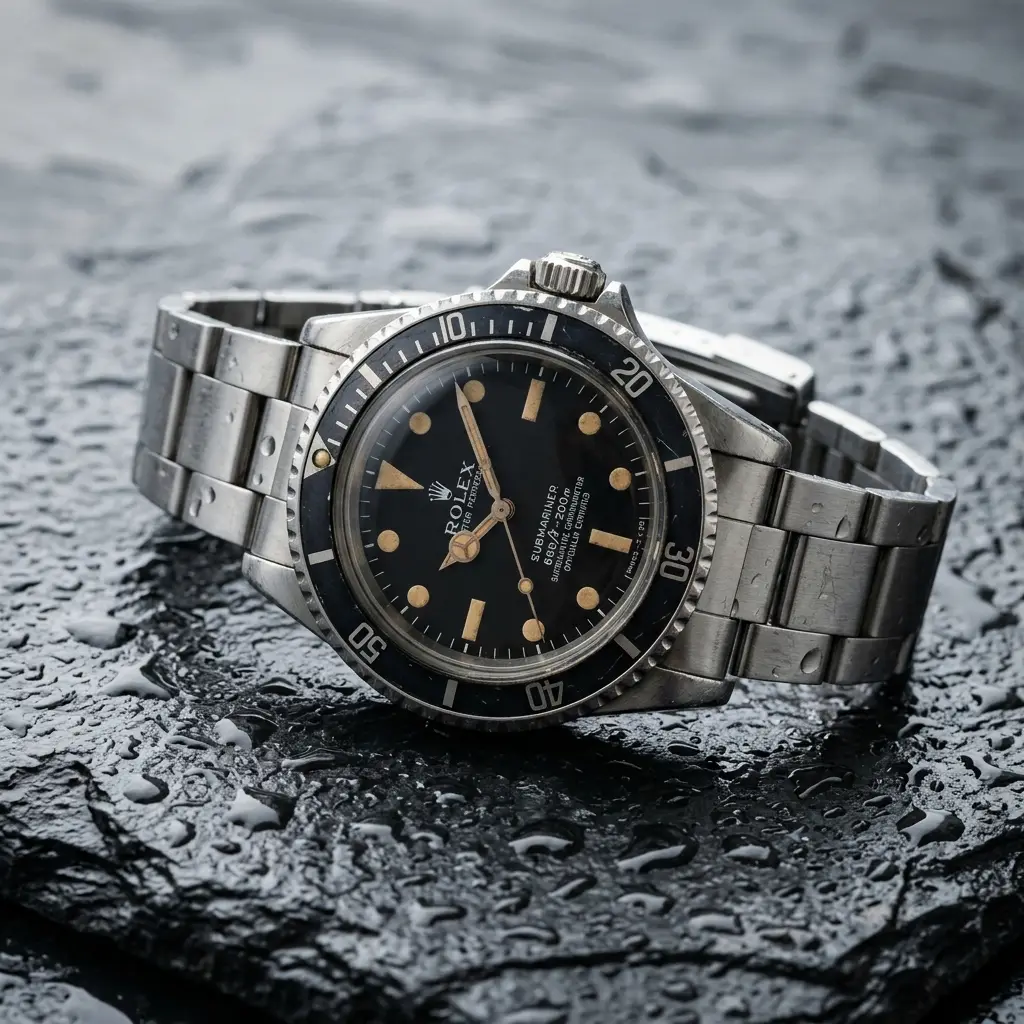
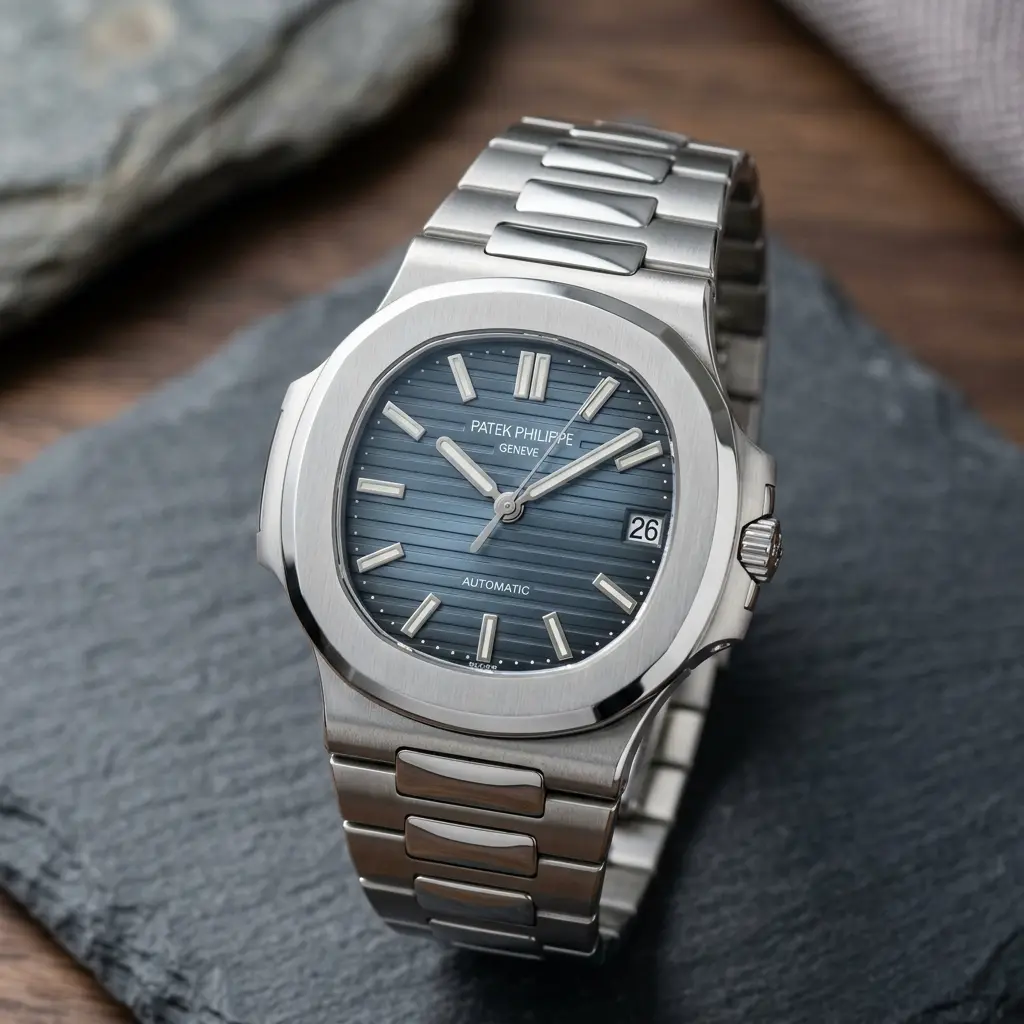
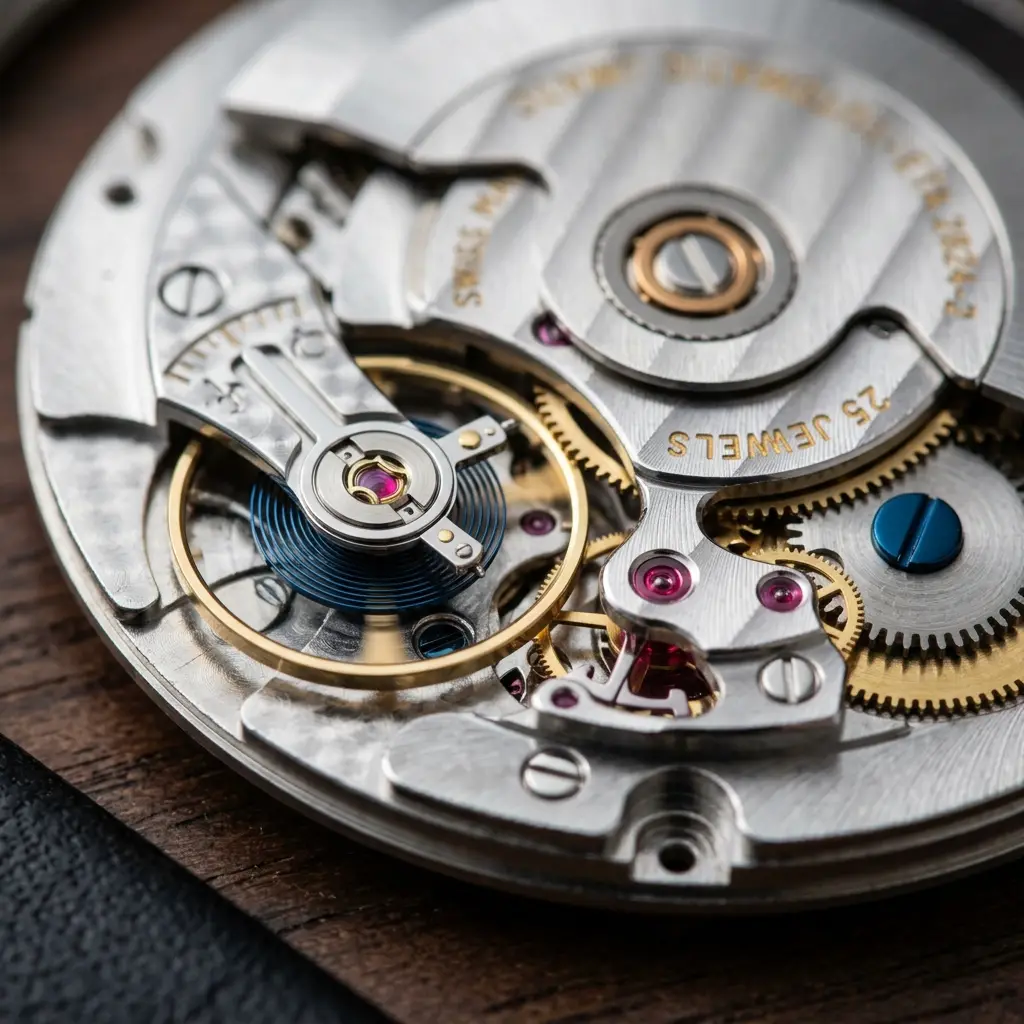
The bet worked. By the early 1990s, mechanical Swiss made was desirable again, no longer because it was accurate, but because it was made. Patek Philippe, Audemars Piguet, Rolex regained their status. The Swiss industry was reborn, transformed.
The paradox of the debt
This is where the story becomes ironic. Without the Seiko Astron, Swiss horology would probably never have made this repositioning. It would have kept competing on accuracy on the terrain of accuracy, a fight it would have lost in the end. It was Japanese quartz that forced it to choose the terrain of art. Sixty years on, in a Renens workshop, a watchmaker bent over his bench should, in all fairness, send a silent thank-you to Kazunari Sasaki.
Also worth reading